Best Seller


Shipping calculated at checkout.
Sumac
Regular price
$10.99
Regular price
Sale price
$10.99
Unit price
per
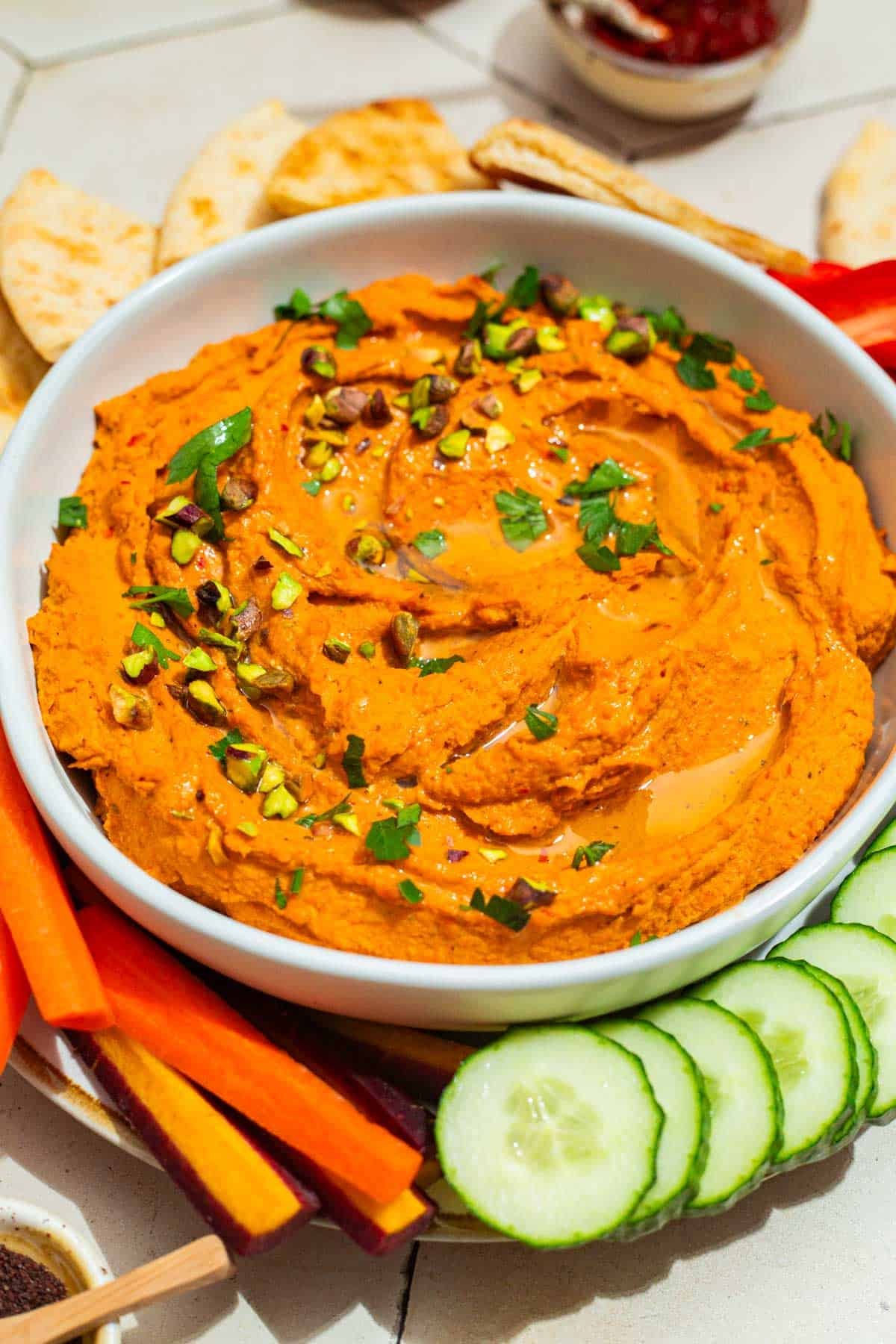
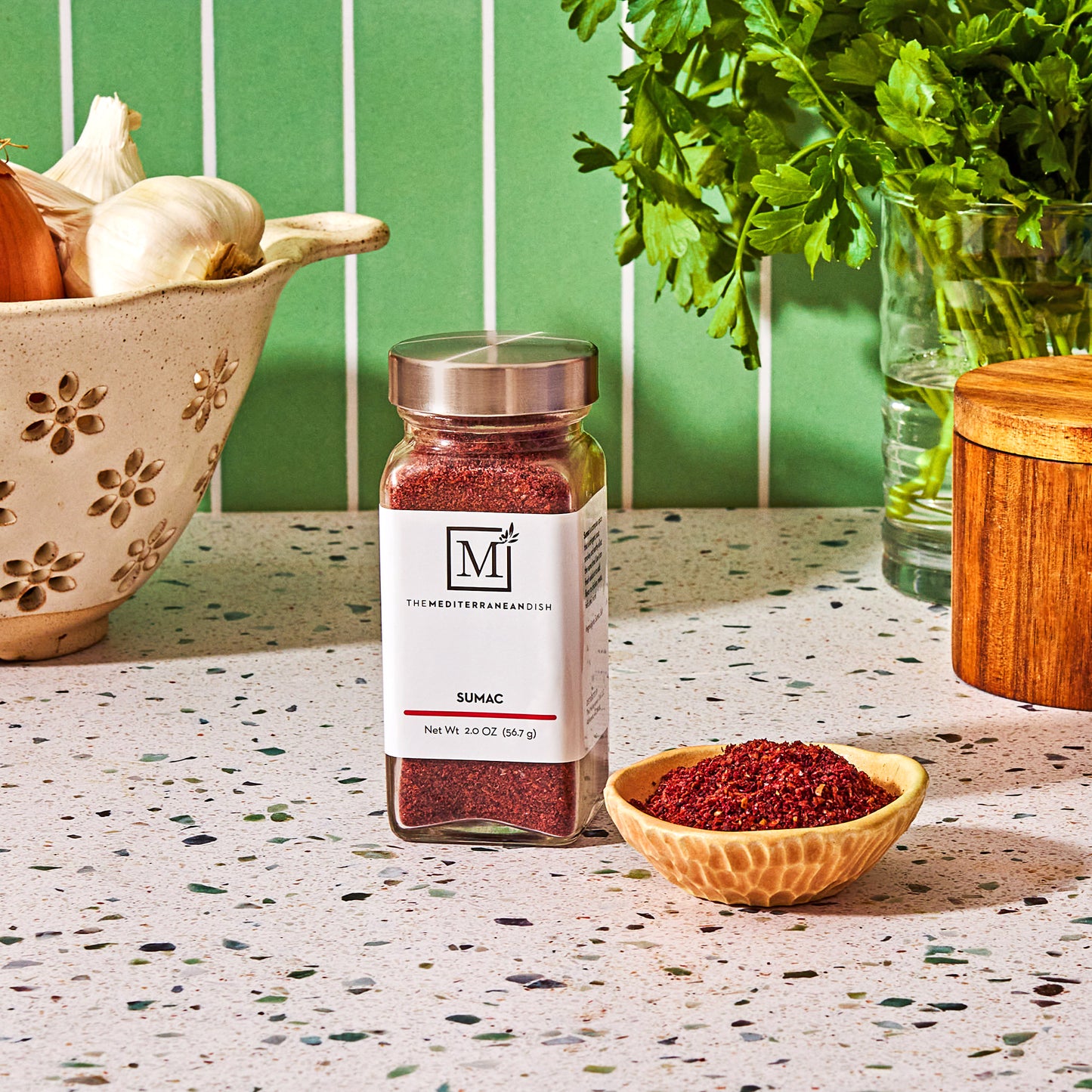
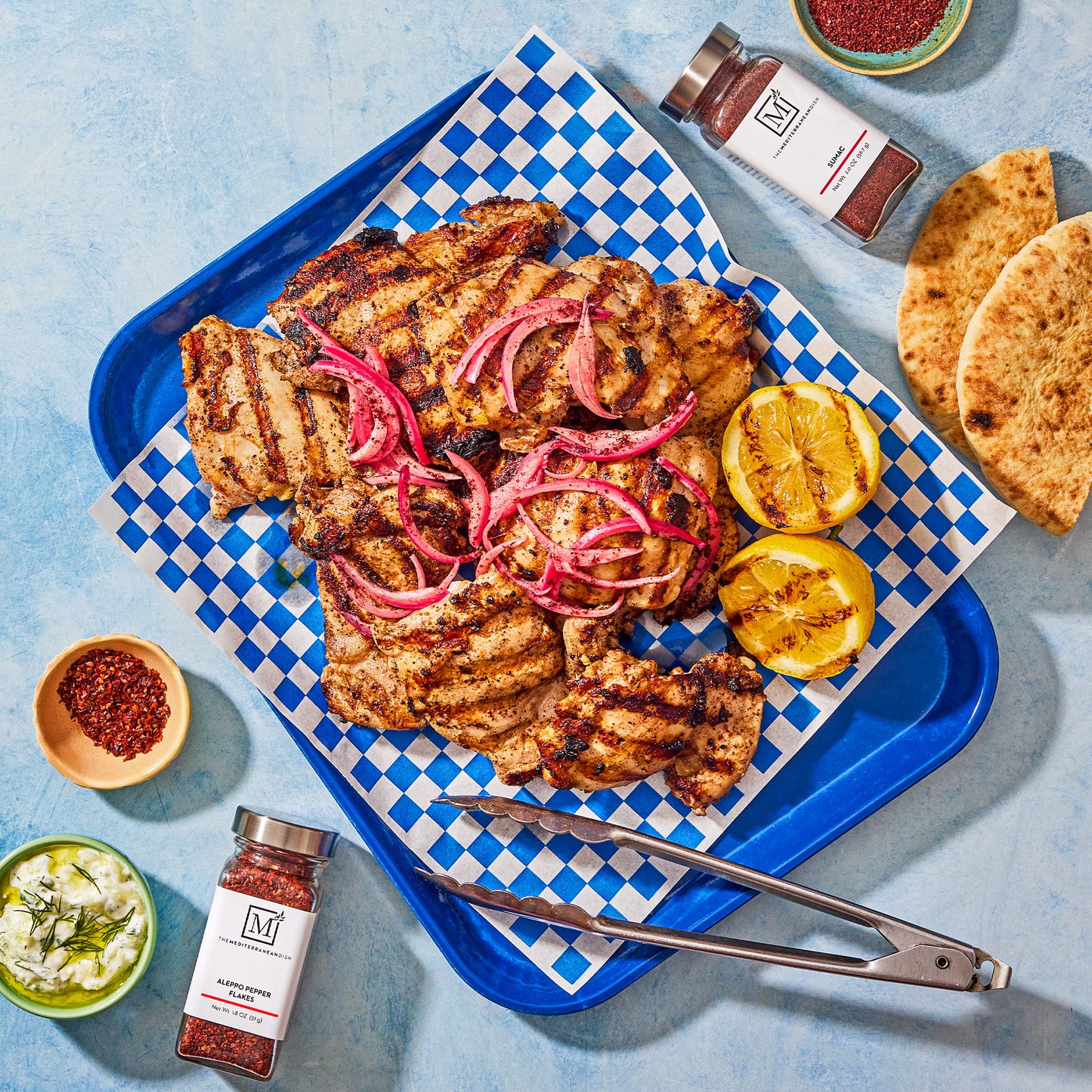
Tangy, lemony sumac spice used as an essential finishing touch for everyday cooking—perfect for brightening dressings, marinades, or sprinkled over meats and dips.
Suzy's Tip: Whisk with olive oil and fresh lemon juice for an easy, citrusy dressing.
Couldn't load pickup availability

FREE SHIPPING $70+

100% GUARANTEE
Description
Description
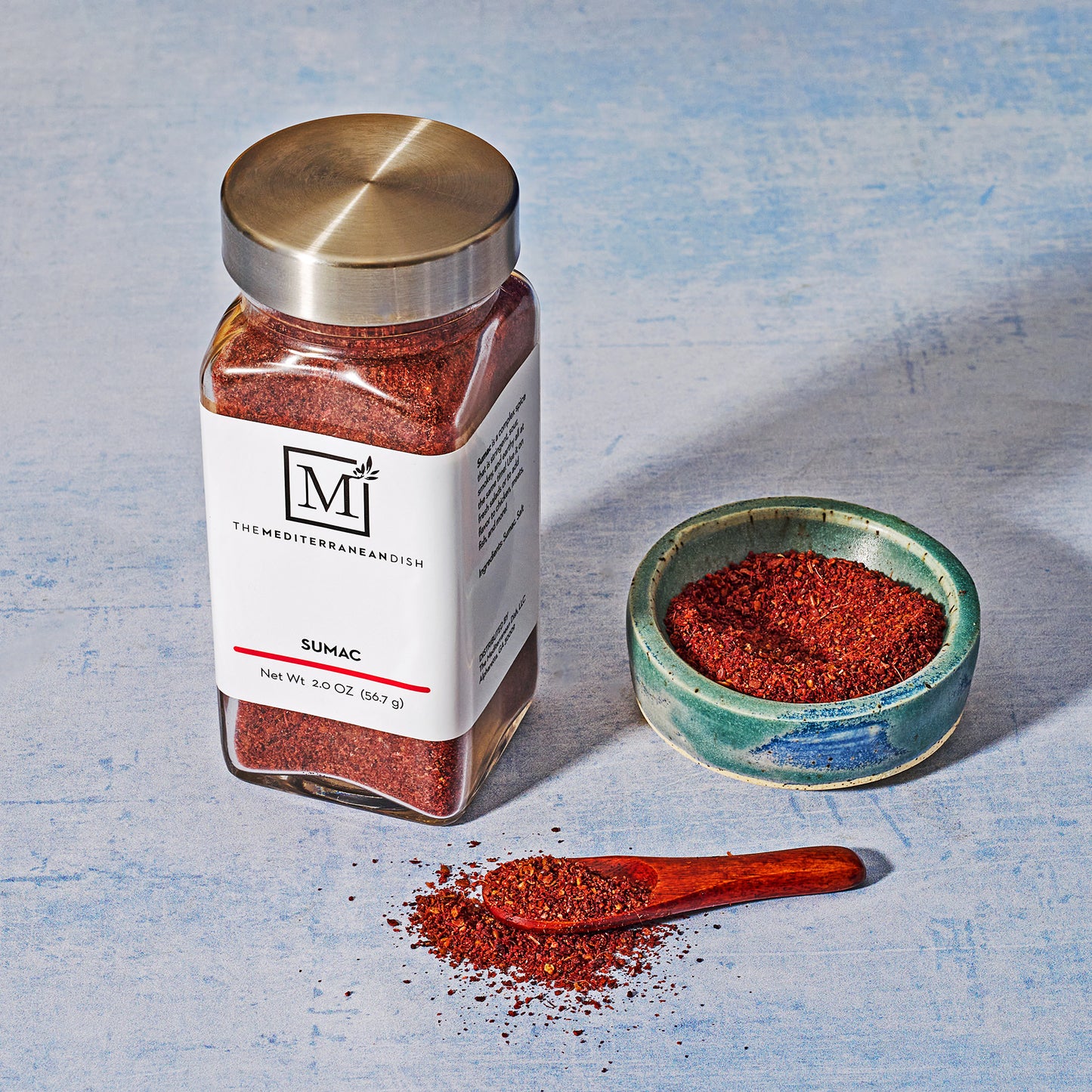
Sumac comes from the Arabic “summaq,” which means “dark red.” It is a deep red, astringent spice popular in Middle Eastern cooking. Sumac is made from the berry fruit of the Rhus Coriaria shrub, which was originally grown in parts of the Mediterranean basin, and then spread to Europe. The sumac berries are dried, then ground and sifted to get rid of the bitter inner seed, producing a tangy and deep flavor with hints of earthy sweetness and floral citrus notes.
- Packed in a glass bottle
- Consume by marked best by date for peak flavor, aroma, and freshness
- Net weight: 2 oz (56.7 g)
How to Use
How to Use
Suzy's Tips
Suzy's Tips
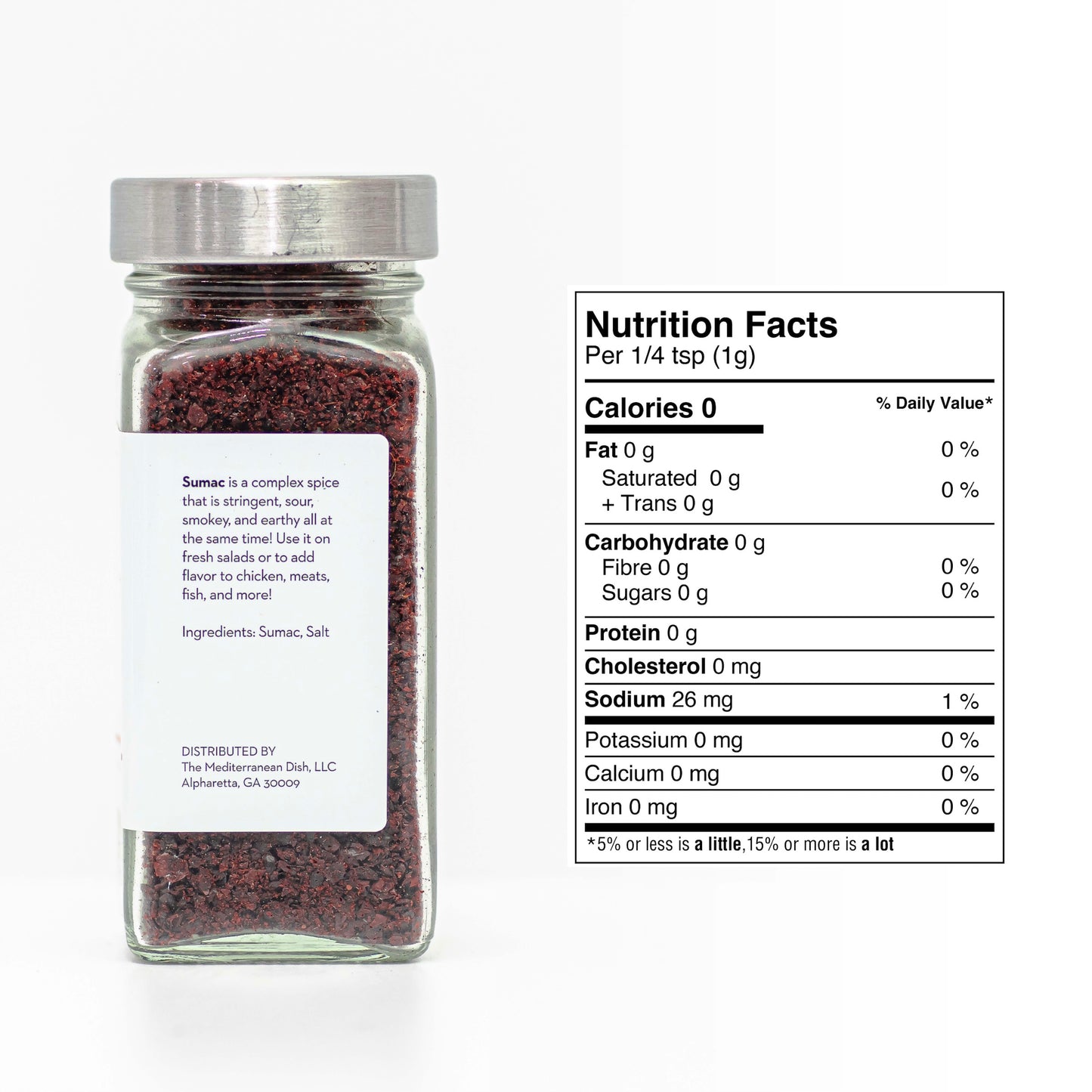
Ingredients
Ingredients
Frequently Asked Questions
What is sumac?
Sumac is a deep red spice made from dried and ground berries, commonly used in Mediterranean and Middle Eastern cooking. It’s known for its bright, tangy flavor and is often used to add acidity and balance to dishes without adding liquid.
What does sumac taste like?
Sumac has a bold, citrusy flavor that’s tart and slightly fruity, similar to lemon juice but milder and more balanced. It adds brightness to dishes and enhances flavor without overpowering other ingredients.
How do I use sumac in cooking?
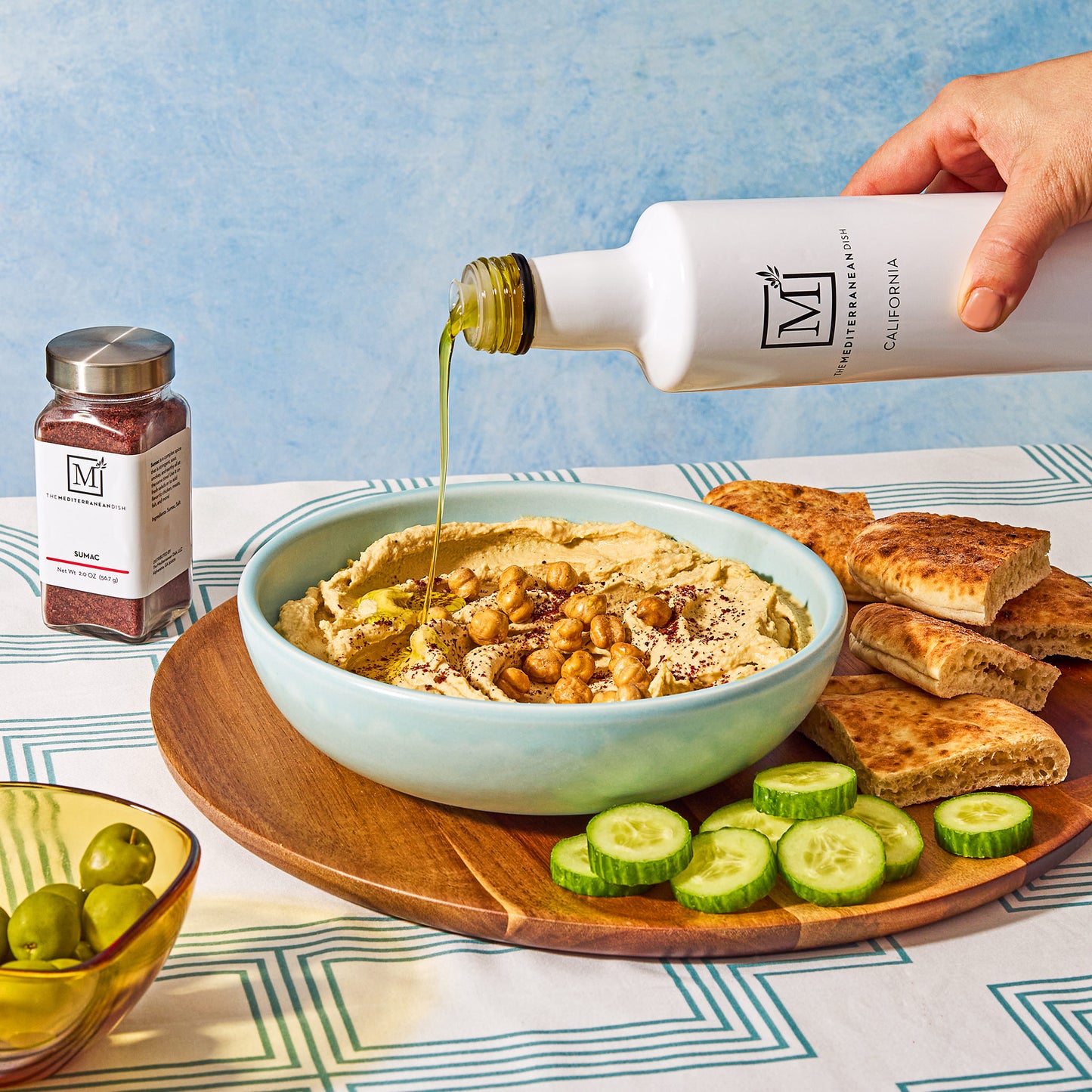
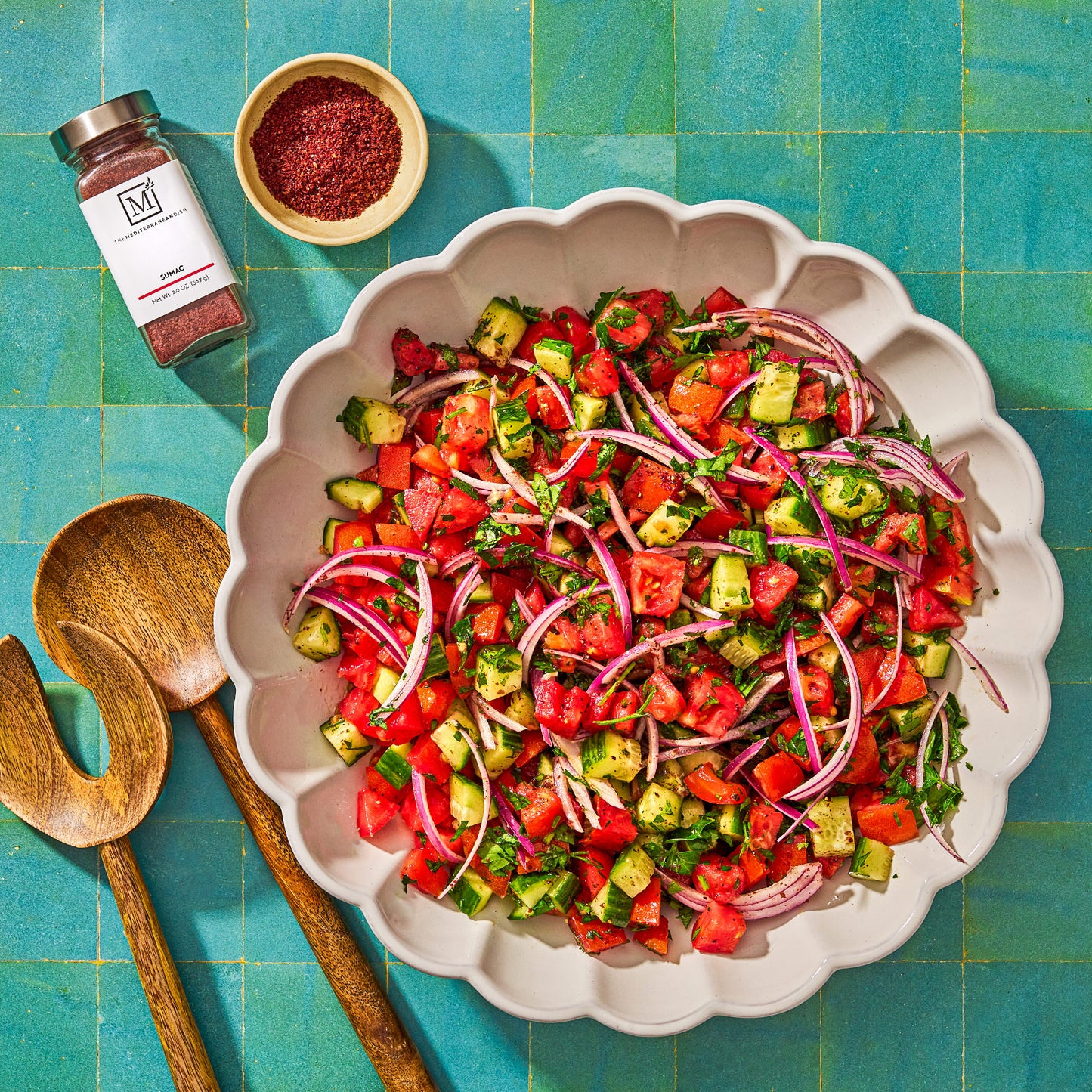
Sumac is a versatile finishing spice you can sprinkle over salads, roasted vegetables, grilled meats, or dips like hummus. It also works well in marinades and dressings, adding a fresh, tangy kick to everyday meals.
What dishes pair well with sumac?
Sumac pairs especially well with salads, grilled meats, seafood, roasted vegetables, and grain bowls. It’s also commonly used in dishes like fattoush and as a garnish for hummus, adding a bright, citrusy finish.
Can I use sumac instead of lemon?
Yes, sumac is often used as a substitute for lemon juice or vinegar. Its tangy, citrus-like flavor adds acidity and brightness to dishes without adding extra liquid, making it ideal for seasoning salads, meats, and dips.
Is sumac healthy?
Sumac contains antioxidants and is often used to enhance flavor naturally, which can help reduce the need for excess salt or fat in cooking. It’s a simple way to add bold flavor while keeping meals balanced.
How should I store sumac?
Store sumac in its original glass bottle, tightly sealed, in a cool, dry place away from heat and direct sunlight. Proper storage helps preserve its vibrant color, aroma, and tangy flavor over time.
What can I use instead of sumac?
If you don’t have sumac, you can use lemon zest, lemon juice, vinegar, or pomegranate molasses to mimic its tangy flavor. However, sumac’s unique citrusy brightness is difficult to fully replicate, which is why it’s a staple in Mediterranean cooking.



Non-GMO

Fresh

"My New Favorite Spice! Fresh, tangy, and bursting with lemony flavor—this sumac takes every dish to the next level!"Mary H.